Sixty seconds of a match-three round are worth more than you think
Find the backbone before you tap; stop after round two.
Match-three rounds get dismissed as mindless, but their design happens to suit working people: every move is a small decision with a visible result, and a whole round closes within the span of one strong coffee. The game needs no memorised rules, no tutorial read, and it never punishes you for returning after three days away.
The trick to a one-minute round is not fast fingers but framing: before your first tap, scan the whole board for one second and find a backbone — two same-coloured pieces sharing a row or column with a gap between them. The first move should open that backbone, not grab points. New players eat small clusters and run out of board; experienced players build fours and fives for special pieces and clear the floor in one sweep.
And the one-minute rule: stop after the second round, not the fourth. Match-three is engineered to pull you forward with win streaks; going against that design is the real skill. Two rounds are enough to switch the mind's channel — the third is usually where you start paying with somebody else's time.
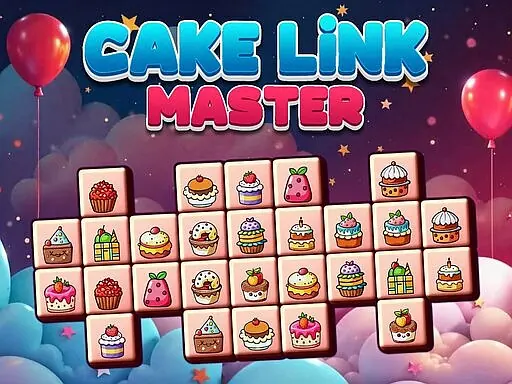 Cake Link Master
 Hexa Puzzle Master